Peptide Purity Analysis Service
Just How To Check Out A Peptide Pureness Test: Hplc, Mass Spectrometry And Coa Analysis For Uk Researchers 2026
It is one factor proper peptide storage and reconstitution techniques matter. Partial peptide fragments can arise from incomplete synthesis or post-synthesis destruction. These fragments are typically smaller sized than the target peptide and may elute at different retention times.Reliable peptide providers constantly mark their items this way and provide quality reports with HPLC and MS information to support the pureness level. As long as you get peptides from a trusted source that supplies a full certificate of analysis, you can be positive in the peptide's pureness grade and usage range. Peptides are examined through a combination of methods, consisting of HPLC for purity, mass spectrometry (MS) for sequence confirmation, and nuclear magnetic vibration (NMR) for architectural evaluation. These techniques assist identify the peptide's make-up, confirm the molecular weight, and detect any type of architectural alterations or impurities, guaranteeing the peptide satisfies quality and spec needs. With our comprehensive peptide analysis system, Imaginative Proteomics has established a highly delicate and customized platform.
These can be specifically troublesome because their chromatographic behavior is very similar to the target peptide, making them more difficult to separate throughout purification. When a peptide is 98% pure, that staying 2% isn't random sound-- it specifies, recognizable sorts of by-products. Mass spectrometry measures the molecular weight of a substance with severe precision. For peptides, one of the most usual techniques are electrospray ionization (ESI-MS) and matrix-assisted laser desorption/ionization time-of-flight (MALDI-TOF). HPLC separates a blend right into its specific elements based upon how each molecule communicates with a specially developed column.- Along with HPLC and MS, specialized laboratories may utilize orthogonal methods for included accuracy.
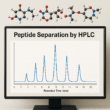
- A regular laboratory will run the peptide with an HPLC system and generate a chromatogram-- the primary top corresponds to the target peptide, and any kind of extra peaks suggest various other substances.
- A 2016 study released in Nature found that more than 70% of researchers had attempted and stopped working to recreate an additional scientist's experiments.
Peptide Quality Testing System From Boc Scientific Researches
Trusted peptide screening labs will certainly offer a suite of modern-day logical strategies-- HPLC coupled with MS is a must, and accessibility of added techniques like capillary electrophoresis or amino acid evaluation is a bonus offer. Beware of laboratories that do not use mass spectrometry together with HPLC, as this could miss crucial identification info. In a similar way, avoid labs that can not show validated logical methods. According to ICH guidelines, verified techniques imply the lab has actually established the examination's precision, accuracy, discovery restrictions, etc, ensuring the information you get are reputable.Store Coa-verified Study Peptides

Our Solutions
By demanding peptides that come with verification of purity and identity, scientists can significantly lower the risk of speculative artefacts. Alternatively, making use of peptides that have actually passed third-party lab validation assists guarantee that the observed speculative effects are truly due to the designated peptide and not due to pollutants or mistakes. When you see peptides marketed as "research-grade," it refers to their intended usage and the level of making oversight. Research-grade peptides are created research laboratory research study usage only-- they are not produced under pharmaceutical GMP criteria and are not implied for use as therapeutics or in humans. These peptides feature a basic quality control bundle, generally including HPLC pureness evaluation and MS verification of identity, guaranteeing they meet scientific criteria for purity and structure.
During solid-phase synthesis, each amino acid combining action has a return of about 99-- 99.8%. When a combining falls short, the growing chain is covered to stop further prolongation of the wrong series. The outcome is a peptide that's much shorter than meant-- missing out on several amino acids.
We have the ability of serving clients from early peptide medicine exploration phases to peptide evaluation. We give all the technical information and directions for each and every step of peptide synthesis and analysis. The launch procedure of peptide solutions is intricate, and a lack of scientific information prevents development. We establish artificial insemination release versions, providing total release contours and kinetic Peptide Supplier design analysis to enhance product style. One of the most typical resources of confusion in peptide projects is using various high quality terms as if they suggest the exact same point. Peptide screening is the set of logical checks used to evaluate a peptide example prior to it is used in a study operations. In practical COA evaluation, the term generally describes purity screening, identification screening, and documentation evaluation. Purity screening asks just how much of the identified sample is the primary peptide versus related contaminations. Identification testing asks whether the gauged mass or sequence-related evidence matches the desired peptide. Documentation evaluation asks whether the record is batch-specific, deducible, and outlined enough to be examined. Peptide testing is the logical process made use of to confirm that a study peptide is both pure and appropriately determined.